







Search Results for: select highland coffee
A Comprehensive Analysis of the Flavor Characteristics, Grading, and Processing Methods of Honduran Specialty Coffee
Honduras is an important coffee-producing country in Central America. Its coffee beans are plump and evenly colored. Thanks to its mild tropical climate and abundant rainfall, it produces outstanding specialty coffee. This article will guide you through Honduras coffee's harvesting methods, washed processing flow, and the flavor and regional characteristics of the two grades "Highland Coffee" and "Select Highland Coffee," while also presenting Front Street Coffee's attention to and recommendations for Honduran specialty coffee. [more…]
A Complete Analysis of Honduran Specialty Coffee Flavor Characteristics, Processing Methods, Regional Grades, and Varieties
Honduras, as an important coffee-producing country in Central America, is known for its specialty coffee with a soft, rich mouthfeel and the sweet aroma of black berries and caramel. Front Street Honduras coffee beans offer a rich, full-bodied flavor profile—neither astringent nor sour—with excellent body and aroma. The formation of this quality is closely tied to its processing method: washed processing is used to select high-quality cherries, followed by sun-drying, which gives the coffee a subtle fruity note. Depending on altitude, Honduras also classifies its coffee into two grades: "Highland Coffee" and "Special Highland Coffee." This article will provide a detailed introduction to Front Street Honduras coffee in terms of its taste and flavor, processing method, and producing region and grade, giving you a comprehensive understanding of this highly regarded coffee. [more…]
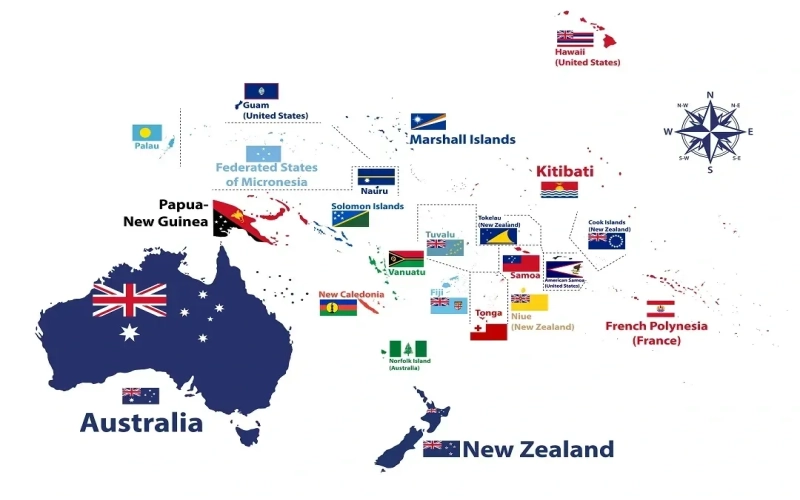
Terroir Characteristics of Papua New Guinea Coffee Regions and an Analysis of Sigri Bird of Paradise Estate
Papua New Guinea is located in Oceania, where widespread volcanic terrain, a high-altitude mountain climate, and fertile volcanic soil provide ideal conditions for coffee cultivation. Since coffee was introduced to the country in the late 19th century, it once imported Typica from Jamaica and, because of the similar environment, came to be known as "Little Blue Mountain." Today, coffee is mainly produced in the four major highland provinces of the central region, and the Sigri Bird of Paradise Estate in Western Highlands Province is a representative estate. Front Street Coffee also selects washed Typica beans from this producing region, whose flavor presents caramel, cocoa, and almond, with a rich and balanced mouthfeel, distinguishing it from the spicy and herbal tonalities of Indonesian coffee. [more…]
Yirgacheffe Specialty Coffee Flavor Analysis: Washed vs. Natural Taste Differences and Cold Brew Selection Guide
Yirgacheffe is a small town on the Ethiopian highlands and one of the highest-altitude coffee-producing regions in the world, and it has gradually become synonymous with specialty coffee. Its distinctive fruity acidity has captivated many single-origin enthusiasts. This article explores the allure of Yirgacheffe from multiple angles, including its origin background, the taste differences between washed and natural processing methods, and the selection of coffee beans for cold brew. It also introduces the respective characteristics of Front Street Coffee's washed and natural Yirgacheffe offerings, as well as light-to-medium roast beans suitable for cold brew, helping you find the cup that best suits your taste. [more…]
A Comprehensive Guide to Global Specialty Coffee Origins: Flavor Profiles and Bean Selection Guide for Each Region
Faced with the dazzling array of imported coffee beans on the market, many enthusiasts often don't know where to start. This article systematically sorts out the representative bean varieties and their flavor characteristics from the world's major coffee-producing regions, covering Central and South America, Africa, Asia, and the Caribbean, including the grade classifications and quality characteristics of countries such as Brazil, Colombia, Guatemala, Kenya, Ethiopia, and Indonesia. Whether you are a beginner just starting out or a seasoned veteran, this origin guide can provide practical reference for your purchasing decisions. Front Street Coffee will also offer recommendations in this article for friends with different taste preferences. [more…]

Home Pour-Over Guide to Papua New Guinea Bird of Paradise Coffee Beans: A Complete Parameter Breakdown from Bean Selection to Extraction
Many coffee enthusiasts encounter a common puzzle when trying their hand at pour-over: even when they follow tutorials to the letter, the cup tastes wildly different every time. There are countless variables that affect pour-over flavor—so which steps truly determine success or failure? Drawing on the hands-on experience of Front Street Coffee, this article uses Papua New Guinea Bird of Paradise coffee beans as an example to systematically lay out the parameters worth paying attention to when brewing a good cup at home. It covers the bean variety's background and the producing region's characteristics, the logic behind choosing a roast level, how to adjust grind size, water temperature settings, dripper pairing, and pulse-pouring techniques, helping readers build a clear pour-over framework and reducing the frustration of brewing by luck. [more…]
Analysis of Honduran Coffee Estates, Regions, Varieties, and Flavors: Front Street Coffee Takes You Through the Characteristics of Highland Coffee
Honduras, as an important coffee-producing country in Central America, has 280,000 hectares of coffee plantations, mostly small estates. This article will provide a comprehensive introduction to Honduran coffee from the perspective of Front Street, covering estate names, taste profiles, producing regions, and varietal characteristics. High-quality Honduran coffee is washed, undergoing processes such as soaking, pulping, and screening, and is dried using the sun-drying method, giving it a faint fruity aroma. Its flavor is soft and full-bodied, with low acidity, notable for black berry and caramel sweetness, and occasionally hints of black pepper and tobacco. The article also explains in detail the two grades of High Grown Coffee and Strictly High Grown Coffee, as well as details such as coffee bean appearance and picking methods, taking you deeper into the unique charm of this Central American coffee origin. [more…]
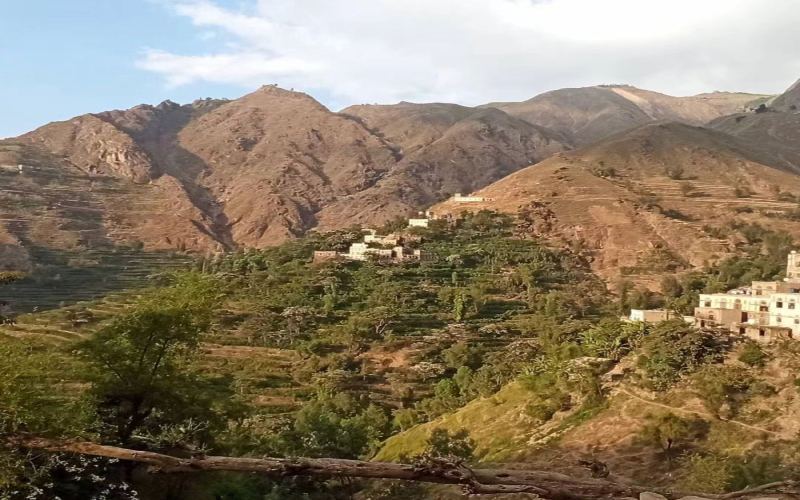
A Complete Analysis of Yemen's Coffee Regions: From the History of Mocha Port to the Growing Characteristics of the Central Highlands
Yemen, a country located at the southwestern tip of the Arabian Peninsula, has one of the oldest coffee traditions in the world. From the glory of the port of Mocha in the 15th century to the meticulous cultivation in the central highlands today, Yemeni coffee has always maintained its unique charm. Front Street takes you on an in-depth look at the historical origins, geography and climate, cultivation methods, and distribution of major producing regions of Yemeni coffee. The coffee beans here come from Arabica coffee trees dating back hundreds of years, growing naturally at elevations above 3,000 feet without the use of pesticides or chemical fertilizers. After ripening, they are naturally sun-dried, hulled by stone mill, and hand-selected, ultimately presenting a Mocha flavor with regular bean shape and rich aroma. Whether it is Mattari from the Sana'a Basin, or Raymah Governorate and Sa'dah Governorate, each producing region carries the profound heritage of Yemeni coffee. [more…]
Ethiopian Coffee Cultivation Geography and Flavor Analysis of the Sidamo Specialty Region
Ethiopia is hailed as the birthplace of coffee, and its unique highland geography and climate have given rise to a myriad of specialty coffees with diverse flavors. This article will guide you through Ethiopia's coffee-growing geography, processing methods, and export overview, with a focus on the flavor characteristics of the Sidama region. From forest and semi-forest to garden cultivation, from washed to natural, every step shapes the coffee's personality. Front Street Coffee recommends a variety of Ethiopian beans, allowing you to savor the rich aroma of the Roof of Africa in your own home. [more…]
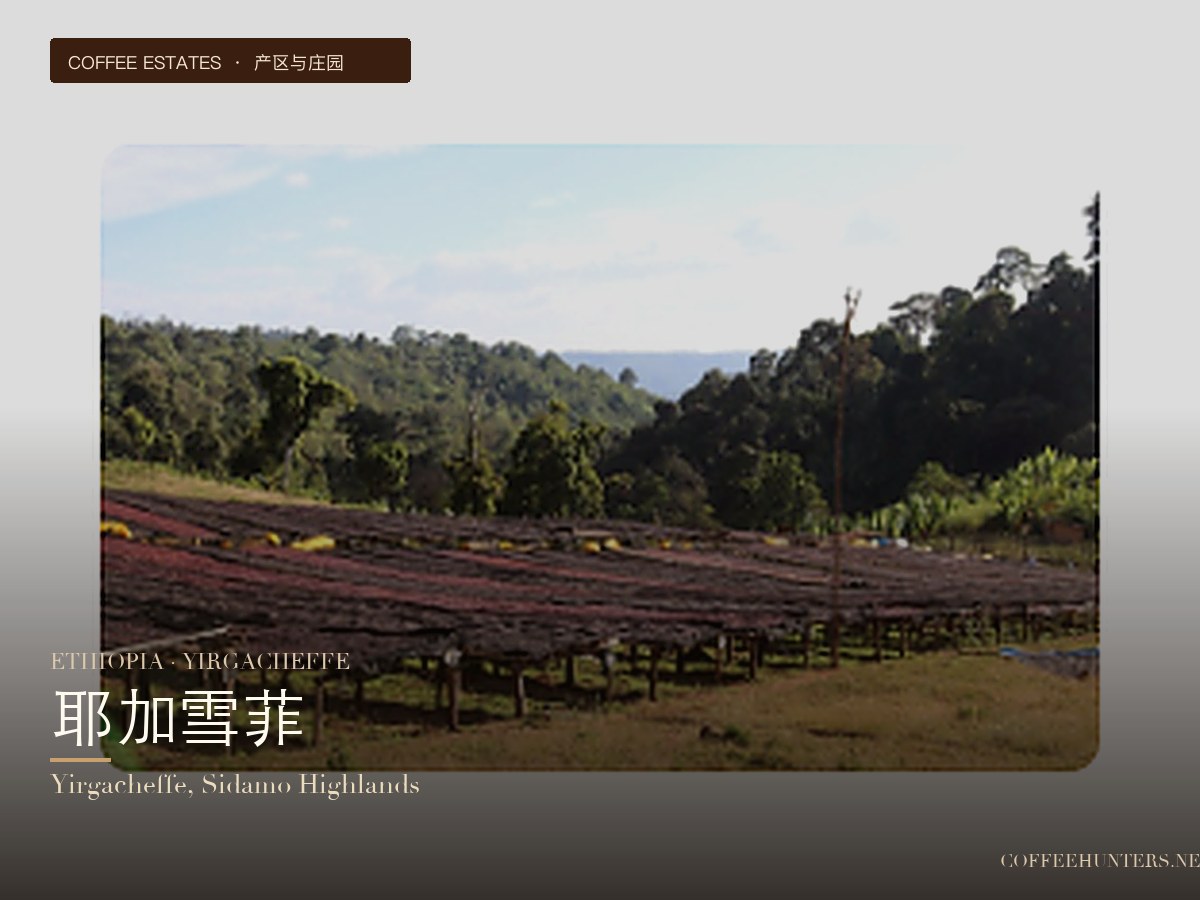
Ethiopia · Yirgacheffe: The Floral-Fruity Doctrine of the Sidamo Highlands
Yirgacheffe is Ethiopia's most iconic specialty coffee region, renowned worldwide for the clean floral and citrus notes produced by its washed processing. This article takes you from history, geography, varieties, and processing methods all the way to the flavors in the cup, offering an in-depth understanding of the origins of this floral-and-fruity doctrine. [more…]
An Overview of the Origins, Terroir Evolution, and Producing Region Cultural History of Ethiopian Shakiso Specialty Coffee
Ethiopia is the birthplace of Arabica coffee, and its southwestern highland forest ecosystem is widely recognized as the original home of coffee. This article provides a systematic overview of the distribution and characteristics of Ethiopia's major coffee-producing regions, including classic renowned areas such as Sidamo, Harar, and Yirgacheffe, as well as specialty micro-regions like Limu, Gimma, Lekempti, Bebeka, and Wollega. It details the altitude, processing methods, flavor profiles, and annual production data of each region, and introduces Front Street Coffee's product lineup, including Harar, Wollega, Limu, Sidamo, and Yirgacheffe. It also presents Ethiopia's rigorous quality control system—from picking, washing, and fermentation to hand sorting—offering you a comprehensive understanding of the diverse terroir and exceptional quality of this coffee homeland. [more…]
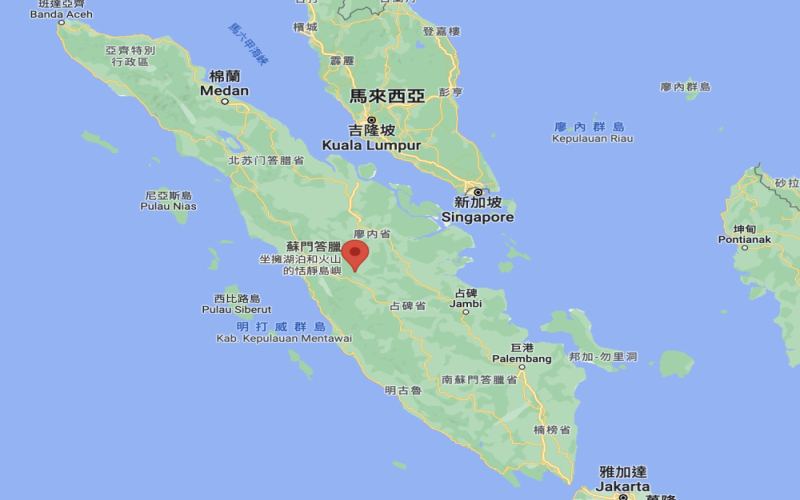
Sumatra Mandheling Coffee Beans: Origin, Varieties, and Flavor Characteristics — A Detailed Guide to the Brewed Taste of Golden Mandheling
Mandheling coffee is the representative Arabica coffee produced on the Indonesian island of Sumatra. With its low acidity, high body, and herbal spice flavors, it has long been favored by seasoned coffee enthusiasts. This article will guide you through the origin of the name Mandheling, the growing conditions of Sumatra's two major specialty regions—Lintong and the Gayo Highlands of Aceh—and explain why the Golden Mandheling produced by PWN is regarded as Indonesia's highest grade. We'll also share Front Street Coffee's roasting approach and pour-over extraction parameters for two Mandheling coffees. If you're looking for a full-bodied, solid daily drinker with clean sweetness, this piece is worth a read. [more…]
Analysis of Papua New Guinea Coffee Region Characteristics and HOAC Cooperative Bird of Paradise Bean Flavor
Papua New Guinea is located in the Pacific Ring of Fire, with fertile volcanic soil and high-altitude growing conditions, making it an emerging Arabica coffee origin. Local coffee is mainly produced by smallholders, with a solid flavor profile, low acidity, and a clean cup that suits Asian taste preferences well. Among them, the HOAC cooperative in the Eastern Highlands Province, by joining the Fair Trade organization, uses community development funds to build roads, improve healthcare and education, and upgrade wet-processing equipment, which not only improves coffee quality but also enhances market competitiveness. This article will walk you through the overall characteristics of Papua New Guinea coffee and take a deeper look at the flavor and mouthfeel of HOAC cooperative's Bird of Paradise coffee beans, along with recommendation information from Front Street Coffee. [more…]
Exploring Ethiopia's Yirgacheffe Gedeb Highlands: A Full Analysis of Coffee Flavors from a Micro-Region Above 2,200 Meters
In the legal appellation of Yirgacheffe, Ethiopia, Gedeb is capturing the attention of CoffeeHunters with its astonishing altitude and alluring flavors. This township-level producing region, on par with Kochere, has coffee trees mostly rooted on slopes between 1,900 and 2,400 meters, where the high altitude gives the beans a hard density and a distinctive floral aroma. Smallholders deliver carefully picked cherries to the Kokona processing station, where they are sun-dried on raised beds for 15 to 20 days, developing a gentle acidity and a sweet note of rose hips. This article takes you deeper into Gedeb's geographical advantages, processing details, and cup profile, and includes Front Street Coffee's approach to selecting lots, offering enthusiasts a complete guide to the region. [more…]
A Comprehensive Analysis of the Origins of Arabica Coffee Beans and the Producing Regions of Yunnan Estates
Arabica and Robusta are the two main coffee varieties in the coffee world, with Arabica dominating the mainstream as the specialty type. Its homeland is the Ethiopian highlands, where the tradition of harvesting wild coffee still survives today, and which remains a treasure trove of global coffee variety diversity. This article begins with the origins of Arabica, sorts through the flavor differences among major Ethiopian production regions such as Sidamo, Yirgacheffe, and Hambela, and interweaves Front Street Coffee's bean selection and brewing suggestions to help enthusiasts understand the complete chain from origin to cup. [more…]
Ethiopia Bench Maji Region Full Guide: The Birthplace of Geisha, Forest Planting Model, and the Grading System of Gesha Village
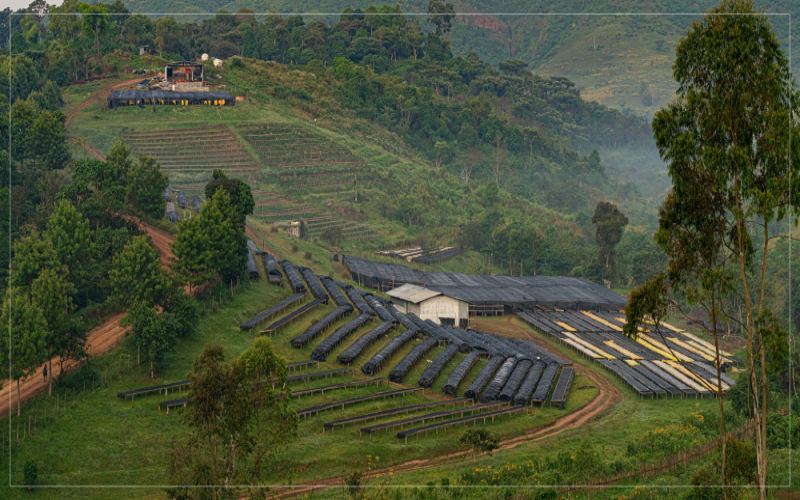
In Ethiopia's specialty coffee landscape, Yirgacheffe, Sidamo, and Guji Hambela often take center stage in conversations, but along the country's western border lies a coffee region covered in pristine forest and renowned for its high-quality beans—Bench Maji. It is not only the birthplace of the Geisha variety but also home to the Gesha Village Coffee Estate. This article will cover the geography and climate, cultivation patterns, and the history of Geisha's origins, then move on to the grading system at Gesha Village, followed by Front Street Coffee's detailed introduction to Gold Label and Red Label Geisha along with pour-over recommendations, giving coffee lovers a complete picture of this understated yet highly capable region. [more…]
The Flavor Code of Guatemalan Huehuetenango Coffee: A Full Analysis of Terroir, Varieties, Processing, and Brewing
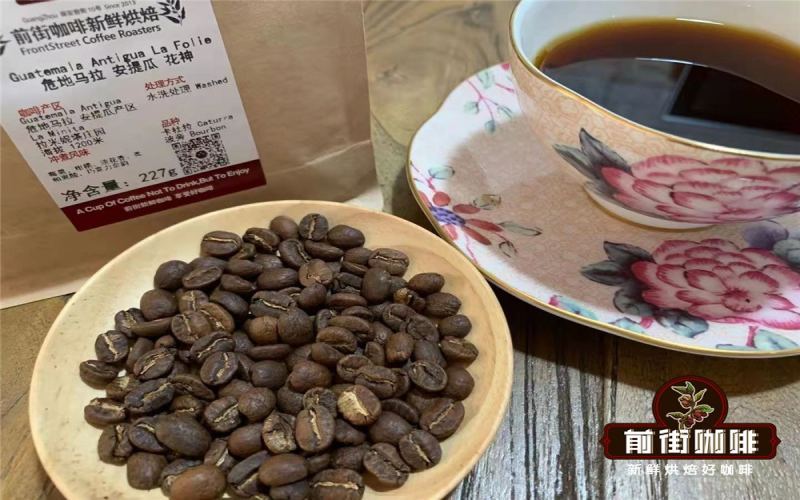
Guatemalan coffee stands out among Central American origins, and Huehuetenango is the star within it. Many friends new to coffee easily confuse it with Ethiopia's Yirgacheffe—both have bright acidity, but their terroir foundations are completely different. This article will take you deep into Guatemala's eight major producing regions, focusing on Huehuetenango's unique environment of high-altitude non-volcanic terrain, dry climate, and interlacing streams, deciphering the reasons why smokiness and fruity acidity coexist, and detailing the local mainstream varieties and washed processing method. At the same time, Front Street Coffee's bean selection logic, brewing parameters, and bean resting recommendations will also be presented, helping you fully understand the charm of this bean from origin to cup. [more…]
Papua New Guinea Bird of Paradise Coffee: Analysis of the Fruity Acidity, Jasmine Aroma of the Typica Variety, and the Flavor of Sigri Estate
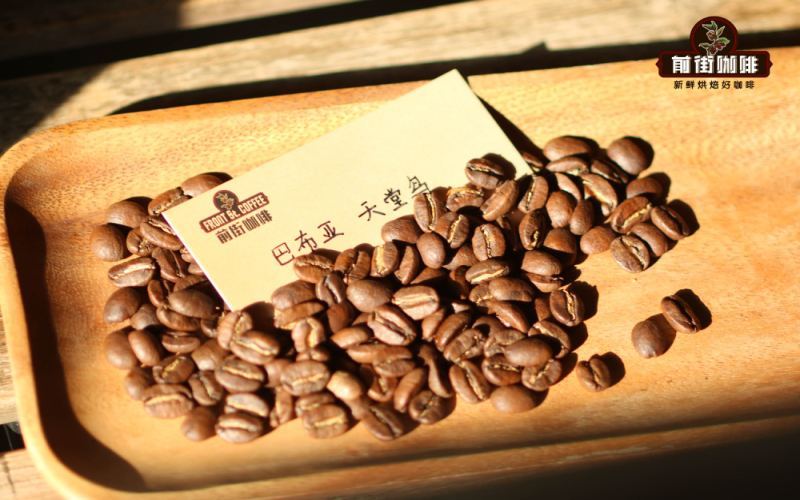
Papua New Guinea coffee is called "Little Blue Mountain" because it was introduced from Jamaica Blue Mountain Typica, yet its flavor has a dark fruity sweet-and-sour note different from Blue Mountain. This year Front Street Coffee has selected the Bird of Paradise coffee from Sigri Estate to help you understand this country's coffee cultivation model, main producing regions, and processing methods. Bird of Paradise Estate is located in the Waghi Valley of the Western Highlands Province, at an altitude of about 1,500 meters, with volcanic soil and a cool climate, insisting on hand-picking fully ripe cherries and the washed fermentation process, creating bright fruit acidity and a delicate jasmine aroma. This article, based on Front Street's cupping and brewing experience, provides a comprehensive analysis of this coffee's origin background, variety lineage, and flavor characteristics. [more…]
Vietnamese Drip Coffee Brewing Tutorial: How to Use a Phin Filter, Choosing Coffee Beans, and Making Iced Coffee with Condensed Milk
Vietnamese drip coffee, with its distinctive Phin filter and pairing with condensed milk, has become one of the most recognizable ways of drinking coffee in Southeast Asian coffee culture. This article begins with the historical origins, representative brands, and flavor characteristics of Vietnamese coffee, then systematically introduces the ingredients, steps, and timing control needed to make an authentic Vietnamese iced coffee, and explains the key points for choosing coffee beans suitable for a Vietnamese Phin—medium grind, freshly ground, and avoiding too many fine particles. The article also mentions related product recommendations from Front Street Coffee, making it a useful reference for coffee lovers who want to recreate the flavors of Vietnamese street coffee at home or in the office. [more…]
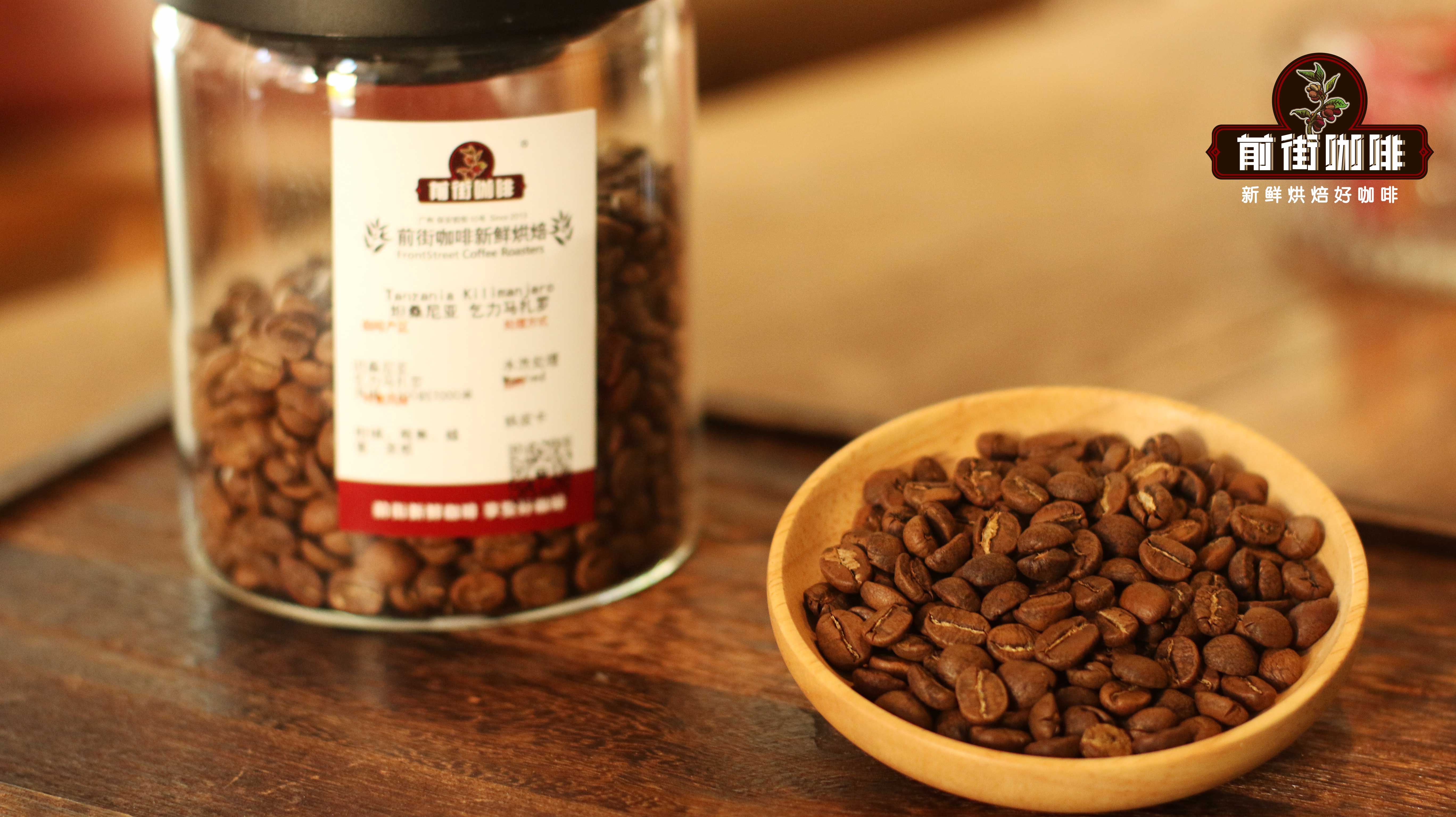
Tanzanian Coffee Bean Origins and Charm, Front Street Brand Bean Selection Guide, and Overview of Major Estates
Tanzania is located in the East African Rift Valley, with fertile volcanic soil and high-altitude growing conditions, producing coffee that combines bright acidity with a full-bodied mouthfeel. The northern Kilimanjaro region is known for citrus, spice, and malt chocolate flavors, while the southern Ruvuma region presents floral notes and elegant fruit acidity. Front Street Tanzania Kilimanjaro coffee beans are selected from northern highland AA-grade washed beans, with rich flavor layers that perform excellently whether served hot or iced. This article will comprehensively examine the characteristics of Tanzanian coffee, from regional distribution, variety evolution, processing methods to estate partnership systems, and introduce relevant product information from the Front Street brand, providing coffee enthusiasts with a practical bean selection reference. [more…]